Future Financial Planning
How Dues and Reserves are used for planning future maintenance and larger projects.
3/24/20262 min read
Planning Ahead: Preparing Our Community for Future Roof Replacements
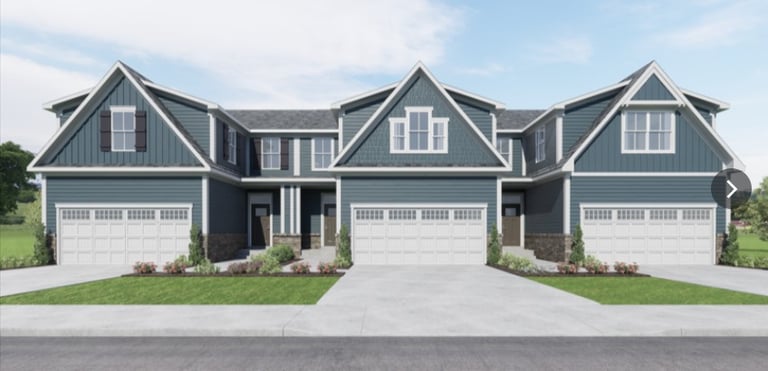
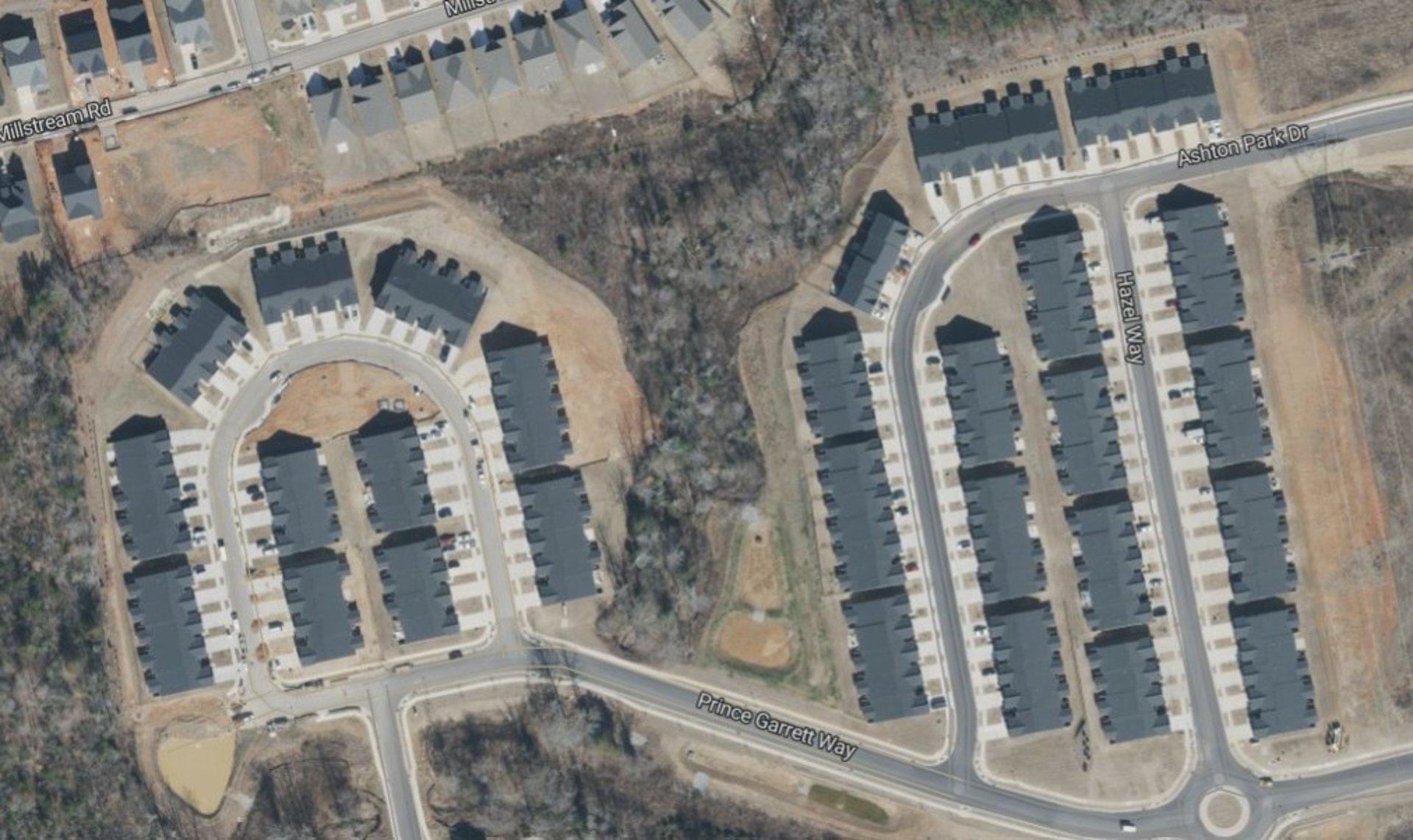
One of the most important responsibilities of any homeowners association is planning not just for today, but for the long-term future of the community. One of the largest future expenses our community will face is roof replacement for the townhome buildings, which will occur over time rather than all at once.
This article explains why planning now matters, how roof replacements will likely be staggered, and what this means financially for the community and homeowners.
Why Roof Planning Matters
Roofs are one of the most expensive components of any building. While roofs can last many years, they do not last forever, and when they need replacement, the cost can be significant.
If a community does not plan ahead, there are only two options when roofs start failing:
Large special assessments to homeowners, or
Emergency loans that increase dues significantly
Proper long-term planning helps avoid both of these situations.
Roof Replacement Will Be Staggered Over Time
The roofs in our community were not all installed at exactly the same time, and even if they were, they will not all age the same way. Because of this, roof replacements will likely be staggered over a period of years, rather than replacing every roof at once.
A staggered approach is beneficial because:
It spreads costs over time
It avoids large one-time expenses
It allows the HOA to plan and budget more effectively
It reduces the risk of large special assessments
While the exact timing will depend on inspections and roof condition, the community should begin financially preparing well in advance — typically 10–15 years before major replacements begin.
How the HOA Prepares Financially
HOAs prepare for large future expenses through reserve funding.
Reserve funds are savings set aside each year specifically for major repairs and replacements such as:
Roofs
Exterior siding
Parking lots
Amenities
Major structural components
This is similar to a homeowner saving for:
A new roof
HVAC replacement
Exterior painting
Reserves are not extra money — they are planned future expenses.
Why Reserve Funding Is Important
Proper reserve funding helps the community:
Maintain property values
Avoid large special assessments
Keep dues increases predictable and gradual
Remain eligible for certain mortgage programs
Maintain financial stability
Prevent deferred maintenance
Protect the long-term condition of buildings
Communities that do not properly fund reserves often face large unexpected costs, which can create financial stress for homeowners and negatively impact property values.
What This Means for Homeowners
It is important for homeowners to understand:
Roof replacement is a known future expense, not a surprise
The HOA must save for this over time
Gradual reserve contributions are far easier than large special assessments
Financial planning today protects future homeowners and current property values
Well-maintained communities are more attractive to buyers and lenders
In simple terms:
It is much easier for a community to save a smaller amount each year than to ask homeowners for a large amount all at once later.
Long-Term Thinking Protects the Community
Strong communities plan ahead.
They maintain their buildings.
They protect property values.
They avoid financial surprises.
Planning now for roof replacements that may occur 10–15 years from now is responsible financial management and part of protecting the long-term health of the community.
The Board will continue to evaluate reserve funding, building conditions, and long-term maintenance planning to ensure the community is financially prepared for future capital projects.
Summary
Key Takeaways:
Roof replacement is one of the largest future HOA expenses
Replacements will likely be staggered over time
The HOA must save through reserve funds
Proper planning prevents special assessments and large dues increases
Long-term planning protects property values and the community